Hispanic Heritage Month: Luis Grana, MD
Luis Grana, MD (1919-1998)
By Emma Florio, Archives & Research Specialist
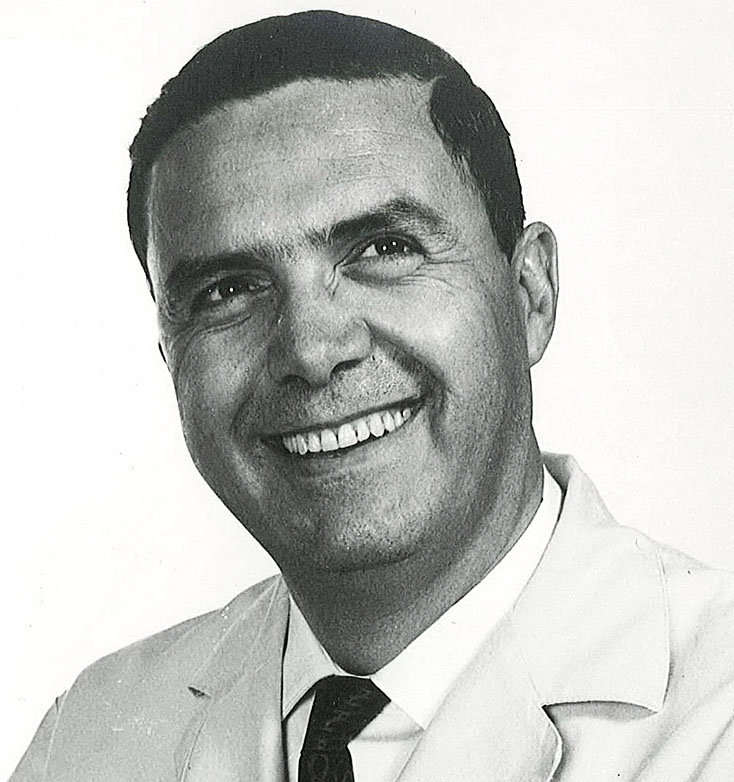
Luis Salvador Graña Rosales (known professionally in the United States as Luis Grana) was born on March 13, 1919, in Lima, Peru. In 1950, he earned his MD from the Faculty of Medicine San Fernando, one of Peru’s top medical schools, which is affiliated with the National University of San Marcos, the oldest continuously operating university in the Americas. He came to the United States in 1951 for a residency at Chicago’s Augustana Hospital, where he met nurse Renetta Skiba; they married in 1953 and had three children.
By 1961, Grana was on staff in the Department of Surgery at Children’s Memorial Hospital (now Lurie Children’s Hospital) and a faculty member at Northwestern University Medical School. He performed and wrote about many surgical procedures and techniques including treatment for imperforate anus, coarctation (congenital narrowing) of the aorta, cryosurgery to lessen mucous secretion in cystic fibrosis, and the use of an ultrasonic nebulizer during anesthesia. He also served as Assistant Director of Children’s Surgical Research Laboratory and was part of the surgical team of Willis J. Potts, a pioneer in pediatric open-heart surgery.
After 10 years at Children’s and Northwestern, Grana was appointed assistant professor of surgery at the University of Health Sciences-Chicago Medical School (now part of Rosalind Franklin University) in the city of North Chicago. He also continued his experimental surgical research at Mount Sinai Hospital Medical Center on Chicago’s West Side. He proved to be a popular professor and was awarded UHS-CMS's Excellence in Teaching Award three years in a row in the 1970s. His commitment to education and supporting his community also showed in his participation in the Chicago Area Health Careers Opportunity Program through which he mentored Hispanic high school students interested in medicine.
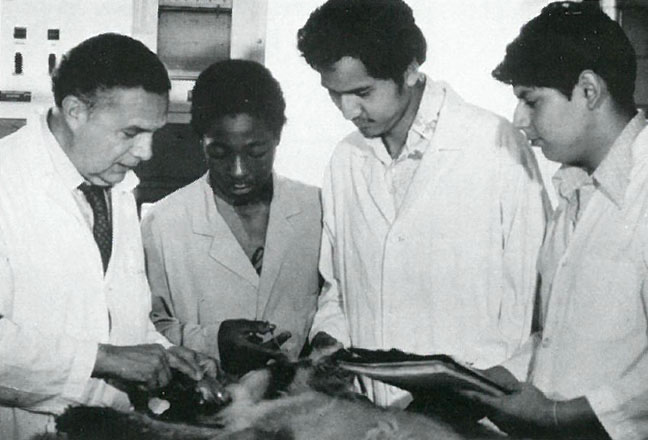
Despite living in the United States, of which he became a naturalized citizen in 1960, Grana maintained strong ties to Peru. Reflecting his research interest in surgery, he co-authored a study on trepanation in Peru in 1954. The book explored the 4500-year-old history of the practice—creating a hole in the skull to treat neurological and psychological conditions--and included analysis of 250 pre-Columbian specimens and surgical tools. Grana frequently returned to Peru, where he found children critically ill with untreated kidney disease because local hospitals could not afford treatment. Grana developed the Renal Fund which created a dialysis unit at Lima’s Children’s Hospital and which earned him recognition from the Peruvian government. After his retirement in 1984, he visited the hospital annually to work with dialysis patients as well as burn victims. He even obtained a patent for a skin burn treatment to help with this work. Grana died in Highland Park, Illinois, on February 27, 1998, at age 78.
Selected References
“Dr. Luis Grana.” Chicago Tribune. April 2, 1998.“Surgeon Named Professor at Medical School.” Chicago Tribune. November 4, 1971.