Revolutions in Medicine
250 Years of Medical Progress
Location: Eckenhoff Reading Room
Dates: Aug. 10, 2026 to present
Contact: ghsl-special
While physicians have studied the body and how to care for it for millennia, the Scientific Revolution of the 16th and 17th centuries shifted medicine away from its roots in ancient humoral theory toward modern science based on observation and experimentation. In the following centuries, new developments came at an accelerated pace, leading to the rapidly changing field of medicine we know today.
In honor of the 250th anniversary of the American Revolution, we highlight four breakthroughs that sparked their own revolutions and transformed medicine forever: the development of modern epidemiology, the invention of vaccination, the advancement of surgical anesthesia, and the discovery of X-rays.
Epidemiology—the study of how diseases occur and spread within populations—developed as a modern medical field only in the last 200 years, but its origins lie in the ancient world. Over 2000 years ago, Hippocrates advocated close observation of seasonal and environmental conditions and how they led to different diseases. In the 1300s, the Black Death plague pandemic spurred further interest in how disease spread. Three hundred years later, the Scientific Revolution finally gave physicians the tools to systematically study the nature of the human body and the origins of disease, through experimentation and analysis of data.

The modern origins of epidemiology lie in the recurring bubonic plague epidemics that devastated Europe from the 14th to 17th centuries. In the early 1500s, London officials began to systematically record deaths as a way to understand the severity of these outbreaks and the scope of the threat they posed. These Bills of Mortality were kept continuously from 1603 into the 1800s. This book compiled Bills during the Great Plague of London of 1665-66. Note the high death rate from plague during this week: 7165 out of about 8300 deaths total. This raw data was used to draw conclusions about patterns of death and disease, laying the foundation for the field of epidemiology.
The turn of the 19th century saw a rising interest in collecting demographic data—the first census in the United States was taken in 1790 and in Great Britain in 1801. These, along with new civil registers of births and deaths, offered large amounts of data from a wide geographic range across decades of time, enabling statisticians and epidemiologists to study trends in health and disease. The first English textbook on medical statistics was published in 1829. Its author, F. Bisset Hawkins, arranged, summarized, and compared health data from multiple cities and countries. He hoped that these analyses would help determine the relative effectiveness of different medical treatments and modes of practice.
The germ theory of disease—that specific microscopic organisms cause specific infectious diseases—was itself a medical revolution at the end of the 19th century. Physicians were finally well-equipped to study individual diseases and find cures. Epidemiologists combined germ theory with the new field of medical statistics to connect these diseases to environmental conditions. Arthur Newsholme, an English public health official, used statistical data to study many diseases. In his book Epidemic Diphtheria, he uses decades of mortality data to identify epidemic years of diphtheria (such as 1880 in Chicago) and possible climatic determinants like temperature and rainfall, and their effect on soil and groundwater.

Vital statistics remain an important part of epidemiology and public health to this day. The National Center for Health Statistics of the Centers for Disease Control continues to collect information about life expectancy and mortality within different US populations. Demographic data like this is still used by epidemiologists to track trends in the health of the country. This booklet comes from the papers of Jeremiah Stamler, MD (1919-2022), an epidemiologist and founder of the Department of Preventive Medicine who taught at Northwestern for over 30 years.
Epidemiology often relies on research trials and studies to determine the causes and cures of diseases. Scottish naval surgeon James Lind is considered the first physician to have conducted a modern controlled clinical trial. In 1747 he tested six purported treatments for scurvy, a disease that had plagued sailors for centuries, described in the above book. He gave the treatments to 12 sailors who he kept in the same quarters and fed the same diet. “The most sudden and visible good effects” came from oranges and lemons. It took another 50 years of anecdotal evidence, though, for the Royal Navy to finally include citrus juice as part of sailors’ rations.
As infectious diseases were brought under control in the 20th century, epidemiologists in industrialized nations shifted their focus to chronic illnesses. One such illness was lung cancer, rates of which began to skyrocket in the 1950s. To find out why, British epidemiologists Richard Doll and A.B. Hill interviewed patients with various types of cancer and found that those with lung cancer consistently had higher rates of smoking. American epidemiologists Ernst Wynder and Evarts Graham found similar results. These studies, described in this book by Wynder, definitively linked smoking and lung cancer. Subsequent anti-smoking campaigns have prevented 1.6 million smoking-related deaths—a real world result of epidemiological study.
All modern vaccines, from polio to Covid-19, trace their origin to the smallpox vaccine developed by Edward Jenner in the 1790s. By introducing inactive or weakened versions of viruses, vaccines train the body’s immune system to defend itself against those viruses, thereby preventing the spread of infectious disease. In the 230 years since Jenner, vaccines have been developed for nearly 30 diseases and are estimated to have saved 154 million lives in the past 50 years alone.
Smallpox was a devastating disease that plagued humanity for millennia. With a fatality rate of at least 30%, it is believed that smallpox killed 500 million people over 3000 years. It is no surprise, then, that the first medical publication in the American colonies gave advice on dealing with smallpox outbreaks, seen in facsimile here.
Those who survived smallpox were often left deeply scarred and sometimes blind. Survivors were also observed to be less susceptible to reinfection and much less likely to die if infected again. Noting that infection generated immunity, medical practitioners attempted to prevent smallpox through variolation (from variola, the Latin name for the virus), exposing healthy people to smallpox, through inhaling powdered scabs or introducing material from sores under the skin, using instruments like a fleam to create an incision. This resulted in a milder infection, with a 1-2% mortality rate. The practice spread from Asia to Britain and its American colonies in the 1700s. In 1777, George Washington ordered variolation of the Continental Army, the first medical mandate in American history.
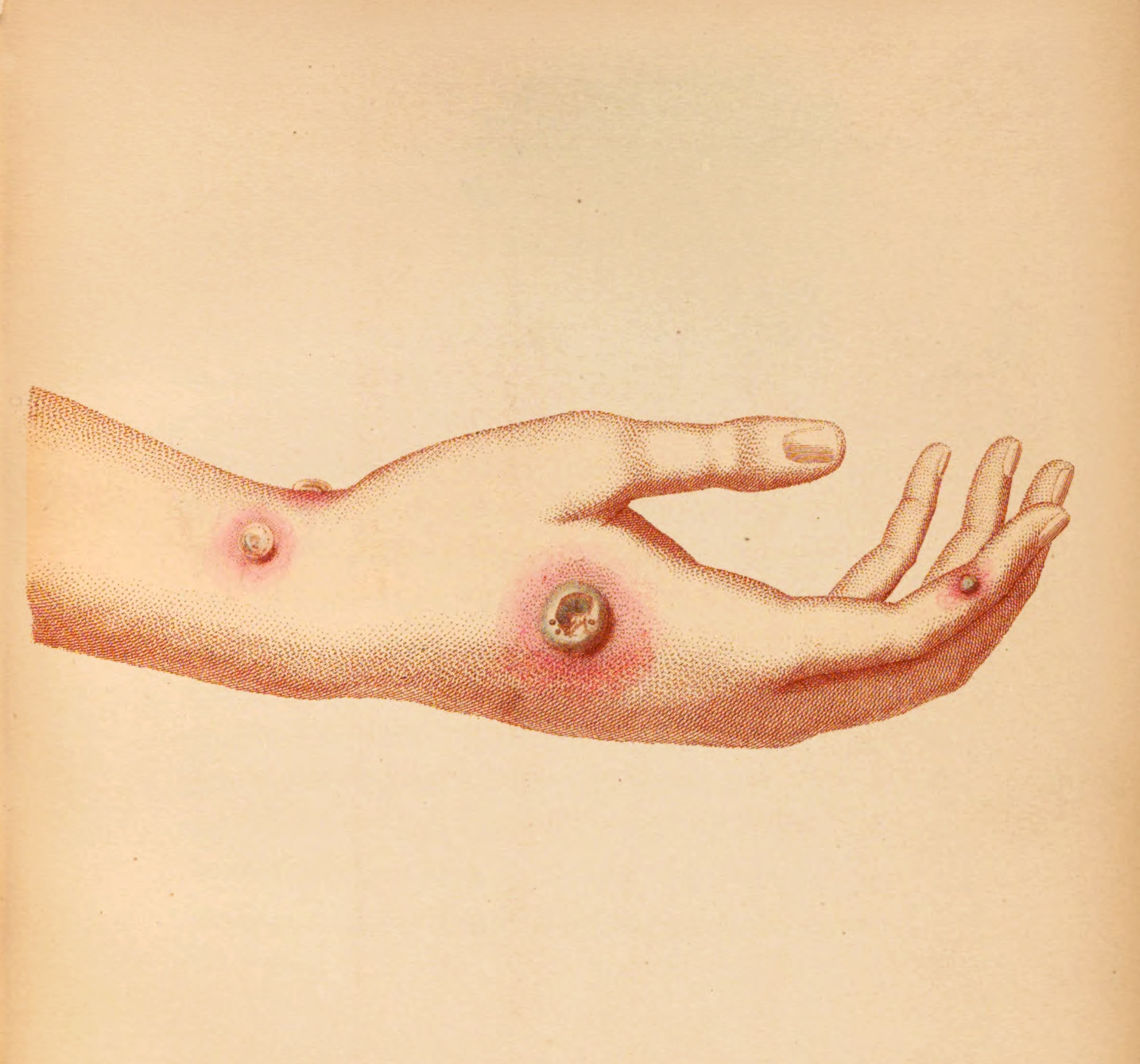
Even with variolation, smallpox continued to kill millions of people in the 1700s. It was known that milkmaids who developed mild cowpox infections were often protected from the more severe smallpox. Using this knowledge, on May 14, 1796, English physician Edward Jenner introduced pus from a milkmaid’s cowpox blisters (illustrated here) into cuts on the arm of a young boy, who did not catch smallpox when later exposed to it. Jenner called his innovation “vaccination” from vacca, Latin for cow. In 1881, Louis Pasteur (who developed three vaccines himself) suggested that “vaccine” should be broadened to mean all such inoculations, not just that for smallpox, in honor of Jenner.
Smallpox vaccination quickly gained traction in the Western world. By 1900, many countries had mandatory vaccination policies. Despite this, smallpox remained a global threat. A pamphlet was published by the Illinois State Board of Health in response to an outbreak of a new virulent form of the disease. Its insistence that “Small-pox is a preventable disease” and the many photos of people with smallpox who were “never vaccinated” demonstrates the knowledge of the vaccine’s benefits set against the ongoing fight to stop the spread of the devastating disease through vaccination campaigns.
Within 100 years of Jenner’s vaccine, many Western countries had virtually eliminated smallpox. By 1953, it had been completely eradicated in North America and Europe. Despite this, 300 million people still died of smallpox in the 20th century alone, due to its spread in regions with underdeveloped healthcare systems.
In 1967, the World Health Organization announced the Intensified Smallpox Eradication Program after a failed first attempt at global eradication. Advances in technology for storing the vaccine and in the needles used to administer it bolstered the program, making vaccination more cost effective and medically effective. Most importantly, affected countries committed to massive surveillance, containment, and vaccination campaigns.
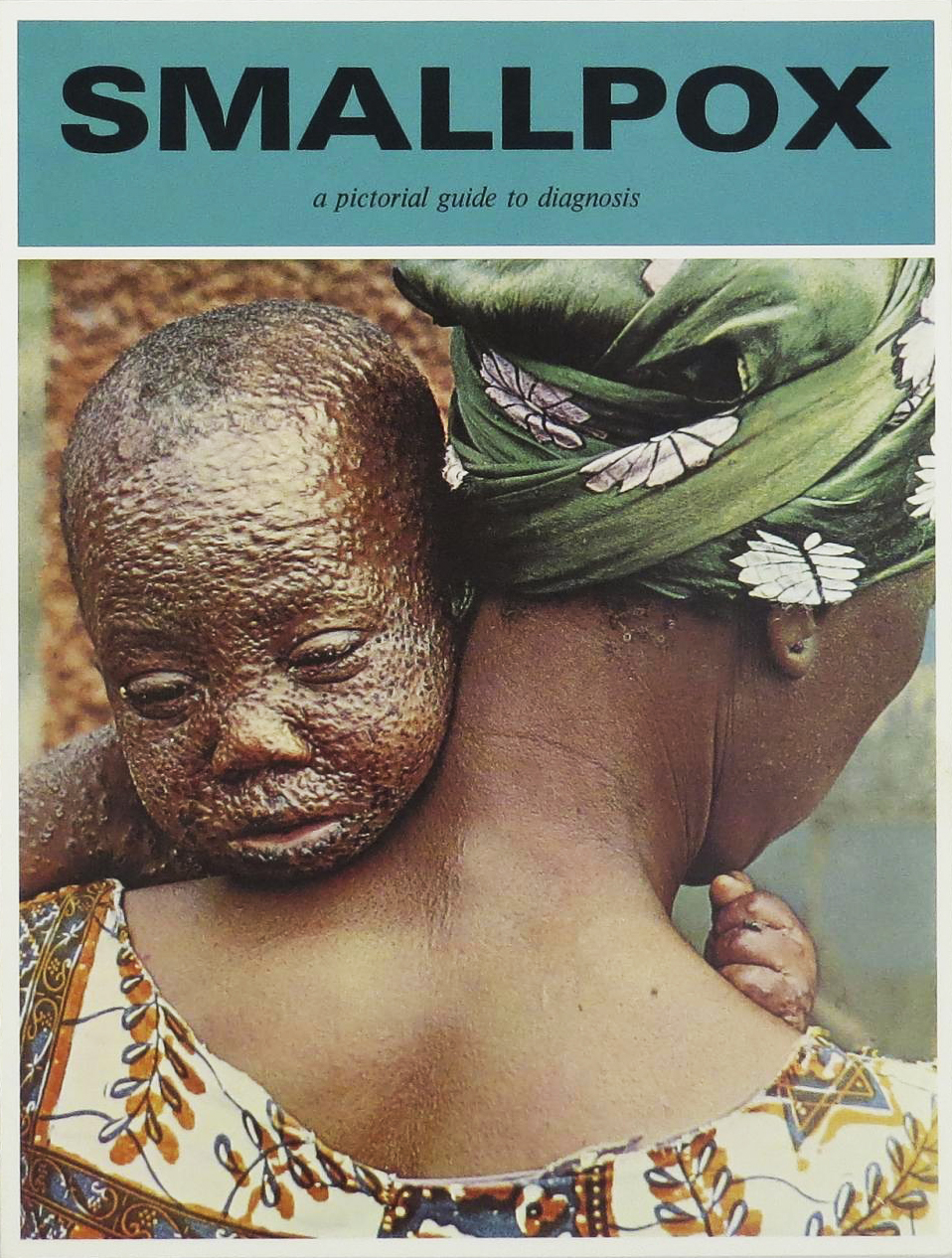
The World Health Organization Regional Office for Africa published this pictorial guide in 1970 to help newly-recruited staff diagnose smallpox and distinguish it from chickenpox. Smallpox was still endemic in many African countries in the late 1960s, as seen in the map below. Publications like this contributed to local efforts to quickly identify cases and prevent the spread of the disease. This item comes from the collection of Ralph Paffenbarger (1922-2007), MD, DPH, a 1947 alumnus of the medical school who worked on smallpox eradication with the United States Public Health Service in the 1970s.
The World Health Organization’s Intensified Eradication Program was a monumental success. Maps from WHO’s official report show the number of countries with endemic smallpox shrinking from nearly three dozen in 1967 to just one in 1976. Only 10 years after the program began, the last naturally occurring case of smallpox in the world was recorded, and on May 8, 1980, WHO declared that "the world and all its peoples have won freedom from smallpox.” It remains the only infectious disease eradicated from the world’s human population.
I began a scream that lasted unintermittingly during the whole time of the incision...so excruciating was the agony... I then felt the Knife rackling against the breast bone...This performed, while I yet remained in utterly speechless torture.
Author Fanny Burney’s description of a mastectomy gives voice to centuries of surgical patients who were subjected to excruciating pain before the invention of modern anesthesia. People tried to avoid surgery at all costs, enduring infections, letting tumors grow to massive sizes, and even dying rather than undergoing a painful operation. Surgeons did use sedatives like opium and alcohol, but they were unreliable and hard to control. It wasn’t until the mid 1800s that doctors began to use inhaled anesthetics, kicking off a century of experimentation.
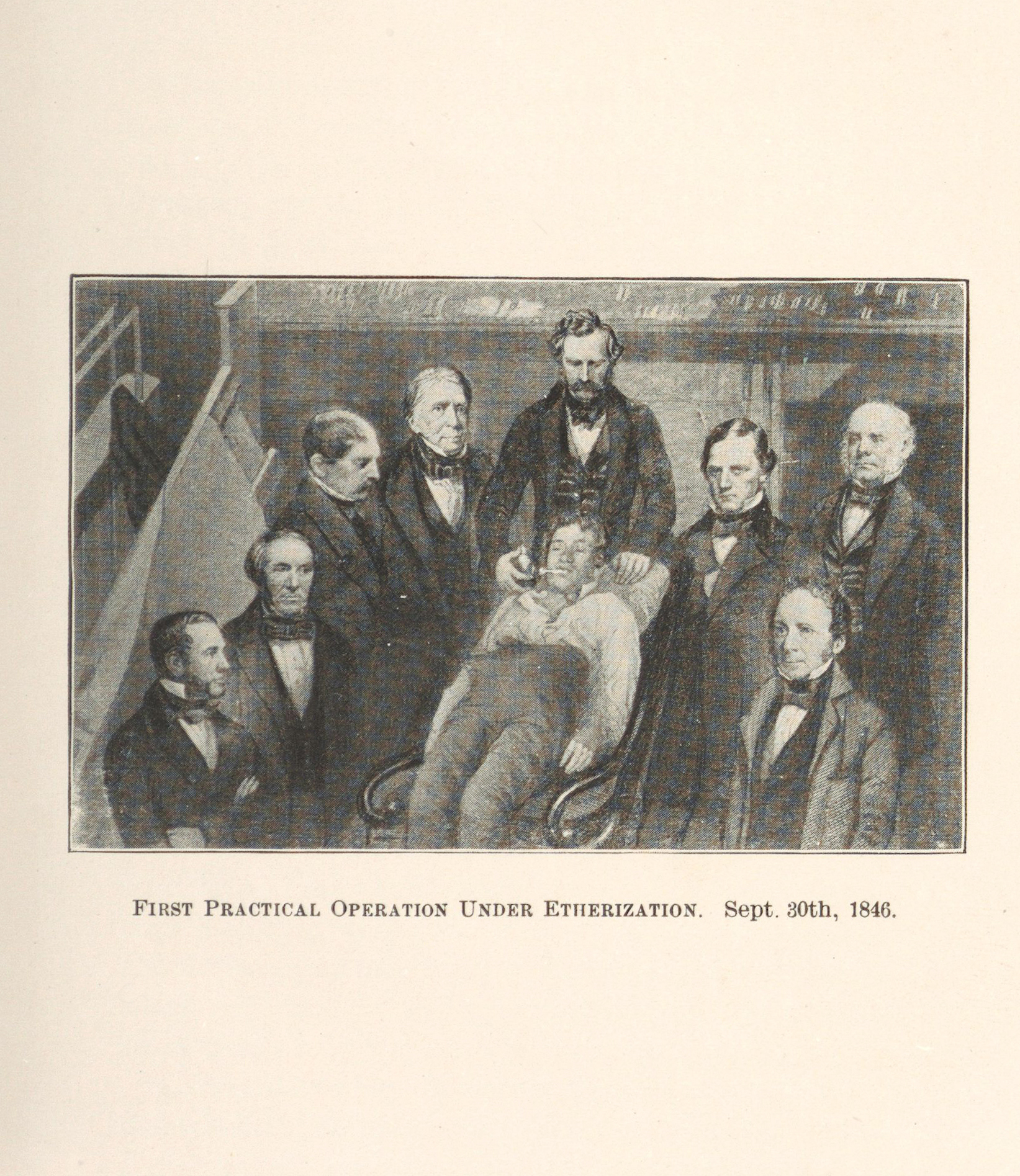
By the 1840s, scientists had synthesized three compounds that would transform patients’ experience of surgery—ether (by the 16th century), nitrous oxide (1772), and chloroform (circa 1831). All three had been noted for their narcotic effects (and were sometimes used recreationally) but were not employed as anesthesia until the 1840s. On October 16, 1846, dentist William T.G. Morton anesthetized a patient with ether at Massachusetts General Hospital before an operation to remove a tumor from his neck (illustrated here). This marked the first public demonstration of an effective surgical anesthetic.
Once surgeons began publishing about new anesthetics, others began to experiment with them. This included Edmund Andrews, MD (1824-1904), a founder of the Feinberg School of Medicine and Professor of Surgery for 40 years. In one experiment, he added free oxygen to nitrous oxide, which made the oxygen more easily absorbable by the body, rather than being bound to nitrogen, helping prevent asphyxia. Andrews also studied over 200,000 surgical cases that used different anesthetics and compared the results—ether resulted in only 1 death per 23,000 uses while chloroform caused 1 death per 2700. Fifty years of Andrews’s case books show that he frequently used ether in his surgical practice.
As the adoption of inhaled gas anesthetics spread, a new concern emerged: patient safety, particularly airway management. Patients were at risk of asphyxiating when the muscles of the mouth and throat relaxed during unconsciousness. American anesthesiologist Paluel Flagg dedicated himself to this cause. He invented many kinds of equipment including an endotracheal tube and an artificial airway. He shared his methods and equipment in a popular textbook on anesthesia, one of the earliest American books on the subject.
General anesthesia with inhaled gas was the default method until the end of the 1800s when doctors began experimenting with cocaine injections to selectively numb parts of the body. Cocaine’s potential for addiction and short duration of action led to the development of new regional anesthetics like procaine (known by the trade name Novocain). In the 1920s, French anesthesiologist Gaston Labat helped popularize regional anesthesia in the United States. He introduced pioneering spinal anesthesia techniques in his textbook, which became the essential text for American practitioners.
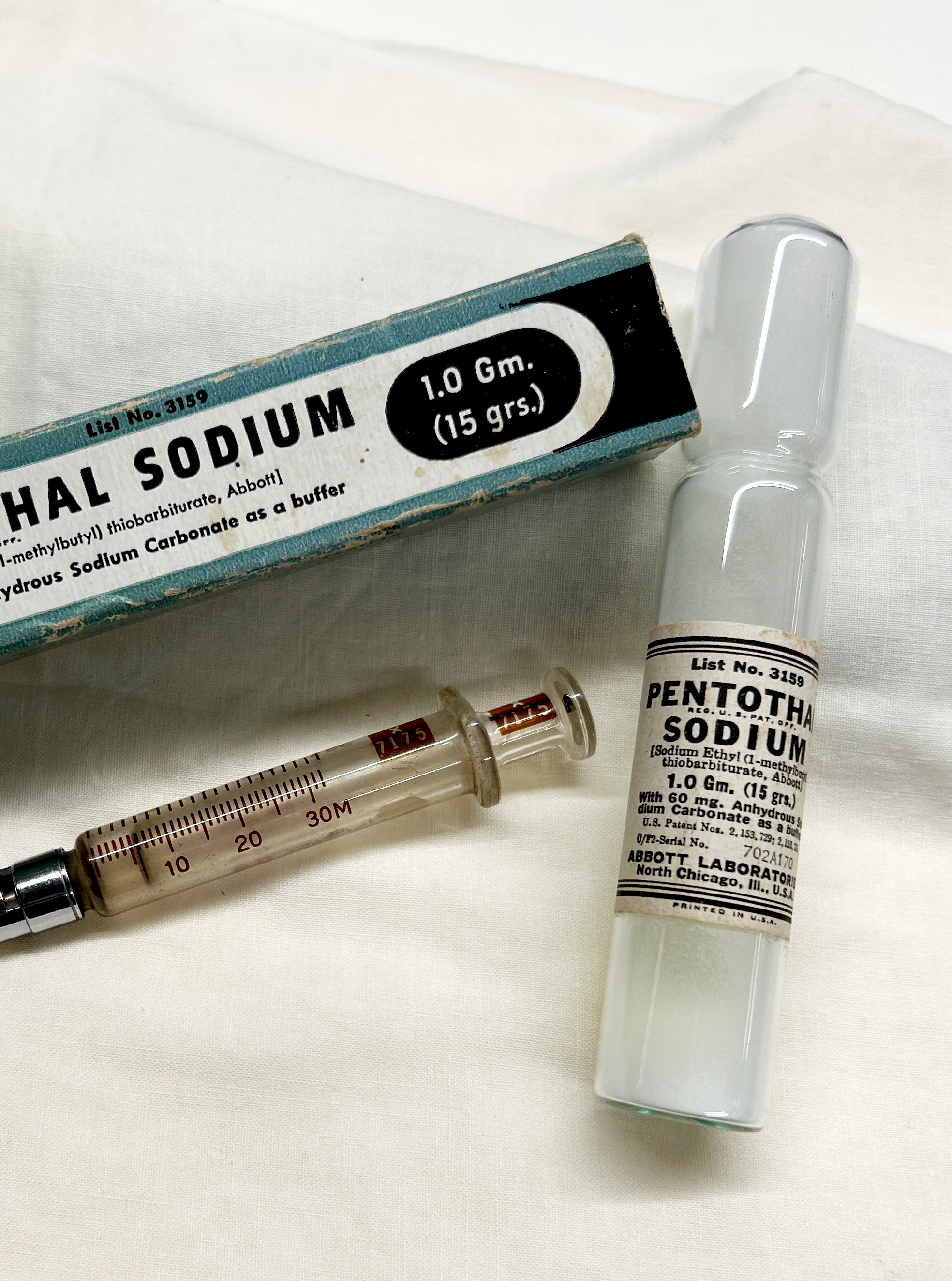
Doctors tried administering many drugs intravenously in the 1800s, including ether and chloral hydrate, which had toxic and damaging effects. It took the creation of a new class of drugs for the true potential of IV anesthesia to be realized. Barbiturates were first synthesized in 1864 but not used clinically until the 20th century. Hundreds of derivatives were created, notably Somnifen (the first barbiturate administered intravenously) in 1921 and short-acting thiopental (seen here under the brand name Pentothal) in the 1930s. In this 1943 book, leading anesthesiologist Christopher L. Hewer describes many IV barbiturates and the technique of using them.
In less than 200 years, anesthesia has evolved into a technologically advanced, safe, and effective medical tool; improvements in safety and perioperative care have lowered anesthesia-related mortality by almost 200 percent since 1940. Experimentation and innovation in the 19th century also allowed for corresponding advancements in the practice of surgery, making it safer and more effective as well. These twin developments have resulted in a proliferation of surgical procedures in the 21st century: 40-50 million surgeries are performed annually in the United States alone and general anesthesia, with its combination of drugs that induce unconsciousness, immobility, and pain relief, is administered to 60,000 patients each day.
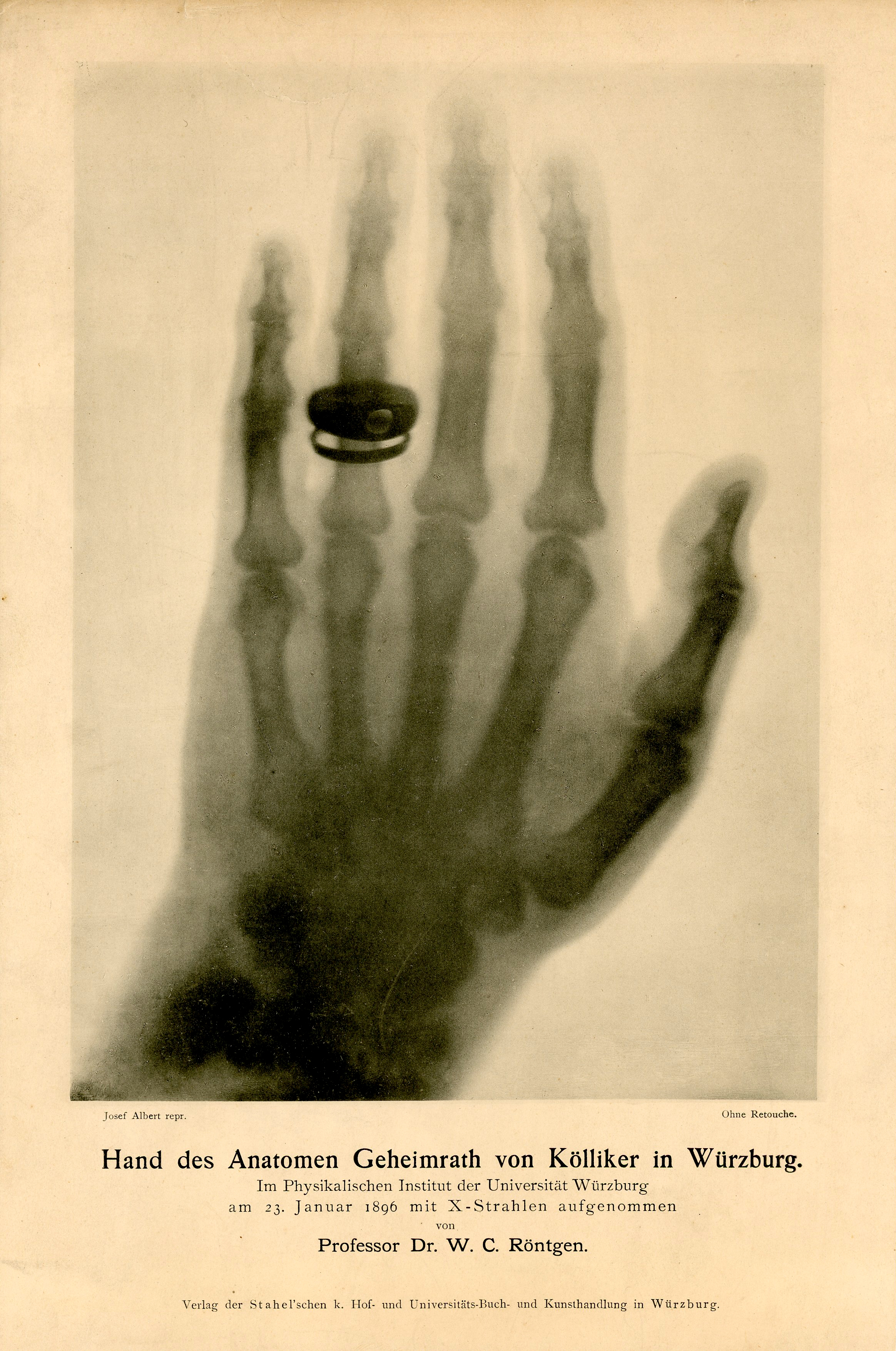
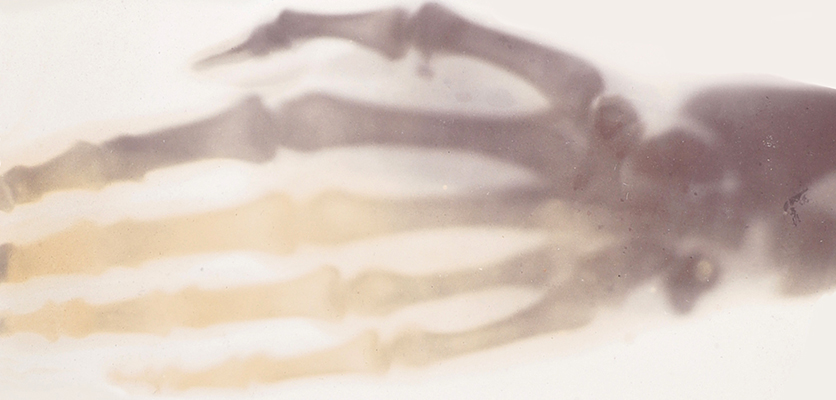
On November 8, 1895, while conducting experiments with electricity and vacuum tubes, German physicist Wilhelm Röntgen noticed a green glow on a nearby fluorescent screen. Further experiments showed that the rays that created the glow could pass through most substances but left shadows of solid material like metal and bone. He called his discovery “X” rays due to their unknown nature. At the end of the year Röntgen’s discovery was published in the journal of the Physical-Medical Society of Wurzburg. This X-ray of the hand of the Society’s chairman Albert von Kölliker was taken on January 23, 1896. Röntgen received a Nobel Prize in Physics for his discovery in 1901.
Within two weeks of Röntgen’s publication, physicists and physicians around the world began their own experiments with X-rays, which they often referred to as “Röntgen rays” in his honor. They immediately saw the diagnostic potential of noninvasively seeing into the body. On February 7, 1896, Chicago surgeon James Burry (an 1875 alumnus of the medical school) became the first documented person in the city and the first physician in the country to take X-ray images, called radiographs. Four days later, he became the first surgeon to use radiographs to guide their surgery, locating and then removing a small bullet from a man’s hand.
Only 9 months after Röntgen’s discovery, the first American textbook on the use of X-rays was published, by William J. Morton, the son of William T. G. Morton of ether fame. The book focuses on the method and apparatus for creating X-ray images. Morton devotes a mere 20 pages to the X-ray’s “surgical value” which is almost exclusively diagnostic: viewing bone fractures, identifying disease in soft tissue, and locating foreign objects for surgical removal. Only a page and a half are given to the X-ray’s “curative action” on bacteria. Morton did note irritation of the X-ray technician’s skin, “somewhat of the nature of sunburn,” hinting at the unforeseen dangers of radiation exposure.
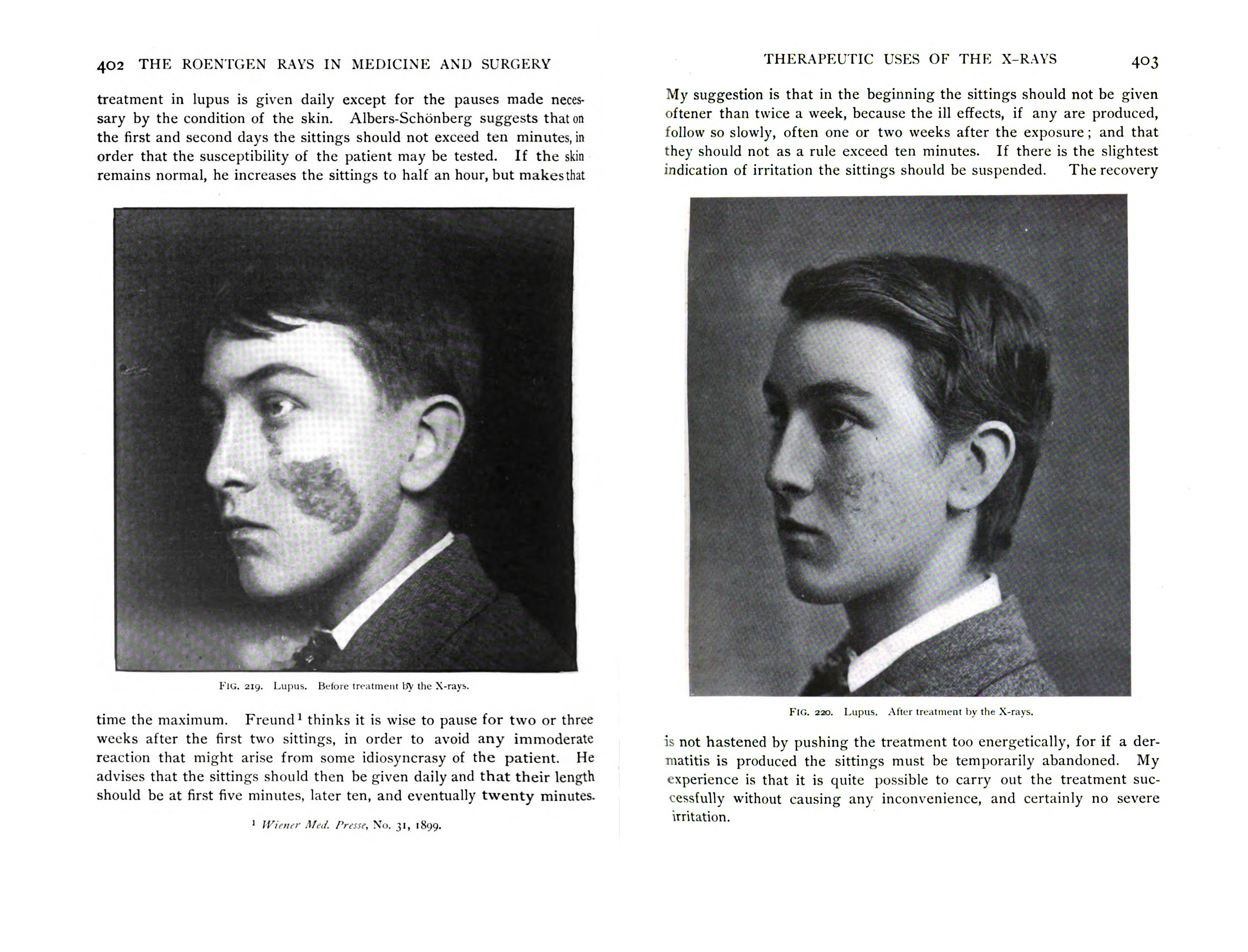
Early experimenters did seek therapeutic as well as diagnostic uses for X-rays. Due to technical limitations, the rays could not reliably and effectively reach diseases deep within the body, but they were found to be useful in treating inflammatory skin and joint diseases and visible tumors. This book was written by American physician Francis H. Williams, an early proponent of the use of X-rays for therapeutic purposes. Only 5 years after Röntgen’s discovery, Williams’s section on therapeutic uses of X-rays is 60 pages long and includes diseases like lupus (seen here) and squamous cell carcinoma.
By the 1920s, technical advances led to stronger, more stable X-ray beams, which could penetrate deeper into the body, allowing for more effective cancer treatment. The medical school’s Department of Radiology (seen in the image below left, ca. 1930) formed around this time. William Moss, MD, taught radiology at Northwestern for 14 years and was a pioneer of radiation oncology. His textbook was one of the first to deal specifically with radiation treatment of cancer. He shows where radiation beams should be directed and the results of treatment for breast cancer, which could previously only be treated by removing the breast (see Fanny Burney’s description of a mastectomy without anesthesia in the "Anesthesia" section).
The X-ray continues to be an important diagnostic and therapeutic tool in the 21st century. Radiation therapy contributes to nearly half of all cancer cures and is used on over 50% of cancer patients. As with many medical and technical innovations, though, disparities in access to these life-saving treatments still exist.
Medical revolutions like epidemiology, vaccines, anesthesia, and X-rays can only be globally successful if they are accessible to all. Dedicated efforts like WHO’s smallpox vaccination program or anti-smoking campaigns based on the epidemiology of lung cancer demonstrate how widespread access to medical knowledge and innovations can change the world.
Credits
Bibliography
Epidemiology
Centers for Disease Control. “Achievements in Public Health, 1900-1999: Tobacco Use.” Morbidity and Mortality Weekly Report 48, no. 43 (Nov 5, 1999).
Eyler, John M. Sir Arthur Newsholme and State Medicine, 1885-1935. Cambridge: Cambridge University Press, 2002.
Farewell, Vern and Tony Johnson. “Woods and Russell, Hill, and the emergence of medical statistics.” Statistics in Medicine 29, no. 14 (May 14, 2010).
Hawkins, F. Bisset. Elements of Medical Statistics. London: Longman, Rees, Orme, Brown and Green, 1829.
Lind, James. A Treatise on the Scurvy. London: A. Millar, 1757.
London’s Dreadful Visitation: or, A Collection of All the Bills of Mortality for This Present Year. London: E. Cotes, 1665.
Milne, Iain. “Who was James Lind, and what exactly did he achieve.” Journal of the Royal Society of Medicine 105, no. 12 (Dec 2012).
National Center for Health Statistics. Vital Statistics of the United States, 1990. Vol II, sec 6. Life Tables. Washington, D.C.: Public Health Service, 1994.
Newsholme, Arthur. Epidemic Diphtheria. London: Sonnenschein, 1898.
Susser, Ezra and Michaeline Bresnahan. “Origins of Epidemiology.” Annals of the New York Academy of Sciences 954, no 1 (Dec 2001).
Wynder, Ernst L. The Biologic Effects of Tobacco. Boston: Little, Brown, 1955.
Vaccination
Centers for Disease Control. “History of Smallpox.” October 23, 2024.
Illinois State Board of Health. Small-Pox: Its Prevention, Restriction, and Suppression. Springfield: Phillips Bros., 1905.
Jenner, Edward. An Inquiry into the Causes and Effects of the Variolae Vaccinae. London: Sampson Low, 1798.
Jenner Institute. “About Edward Jenner.” July 20, 2018.
National Foundation for Infectious Diseases. “The Triumph of Science: The Incredible Story of Smallpox Eradication.” May 8, 2023.
Riedel, Stefan. “Edward Jenner and the history of smallpox and vaccination.” Baylor University Medical Center Proceedings 18, no 1 (Jan 2005).
Thacher, Thomas. A Brief Rule to Guide the Common-people of New-England How to Order Themselves and Theirs in the Small Pocks... Boston: Green and Allen, 1702. Facsimile. Baltimore: Johns Hopkins Press, 1937.
Viets, Henry R. “The First American Medical Publications.” New England Journal of Medicine 268, no 11 (March 14, 1963).
World Health Organization. The Global Eradication of Smallpox: Final Report of the Global Commission for the Certification of Smallpox Eradication. Geneva: WHO, 1980.
World Health Organization. “History of the Smallpox Vaccine.” Undated.
World Health Organization. Smallpox: A Pictorial Guide to Diagnosis. Geneva: WHO, 1969.
Anesthesia
Abhyankar, Rima S. and Katherine M. Jessop. “From Craft to Profession: The Development of Modern Anesthesia.” Missouri Medicine 119, no. 1 (Jan-Feb 2022).
Beatty, William K. “Edmund Andrews: Surgeon, Inventor and Record-Keeper.” Proceedings of the Institute of Medicine of Chicago, 38 (1985).
Booser, Adam. “The Astonishingly Slow Progress toward Surgical Anesthesia.” Missouri Medicine 118, no 6 (Nov-Dec 2021).
Flagg, Paluel Joseph. The Art of Anesthesia. Philadelphia: J.B. Lippincott Company, 1916.
Hayden, W.R. History of Anesthesia or, Painless Surgery. New York: International Journal of Surgery Co., 1896.
Henry W. and Albert A. Berg Collection of English and American Literature, The New York Public Library. "Burney, Esther Burney, her sister. 1 ALS and 4 AL to" New York Public Library Digital Collections.
Hewer, Christopher L. Recent Advances in Anesthesia and Analgesia. Philadelphia: Blakiston, 1943.
Labat, Gaston. Regional Anesthesia: Its Technic and Clinical Applications. Philadelphia: W.B. Saunders, 1923.
Mulroy, Michael. “A History of Regional Anesthesia.” In The Wondrous Story of Anesthesia. New York: Springer, 2013.
Orkaby, Asher and Sukumar Desai. “Gaston Labat, the Mayo Clinic, and the Introduction of Regional Anesthesia to the United States.” European Journal for the History of Medicine and Health 81, no 1 (June 2024).
Wood Library Museum of Anesthesiology. “Airway Management: Flagg Airway.” Museum Collections. Undated.
X-Rays
Ashworth, William B., Jr. “Scientist of the Day – Wilhelm Röntgen.” Linda Hall Library. Nov 8, 2024.
Holsti, Lars R. “Development of Clinical Radiotherapy since 1896.” Acta Oncologica 34, no. 8 (Jan 1995).
Micke, Oliver, Michael Oertel, Ralph Muecke, Hans T. Eich, and Jan Kriz. “130 Years of Radiotherapy for Nonmalignant Diseases: A Historical Overview.” Seminars in Radiation Oncology 36 (Jan 2026).
Morton, William J. The X-ray, or, Photography of the Invisible and Its Value in Surgery. New York: American Technical Book Co., 1896.
Moss, William T. Radiation Oncology: Rationale, Technique, Results. 4th ed. St. Louis: Mosby, 1972.
“Radiotherapy: What You Need to Know.” World Radiotherapy Awareness Day. 2025.
Röntgen, Wilhelm. Eine neue Art von Strahlen. Würzburg: Stahel'schen K. Hof- und Universitäts- Buch- und Kunsthandlung, 1896.
Williams, Francis H. The Roentgen Rays in Medicine and Surgery. New York: The Macmillan Company, 1901.
Worldwide Cancer Research. “How effective is radiotherapy?” Cancer and research information. Aug 27, 2025.