A Snapshot of Women Faculty at Northwestern University Medical School
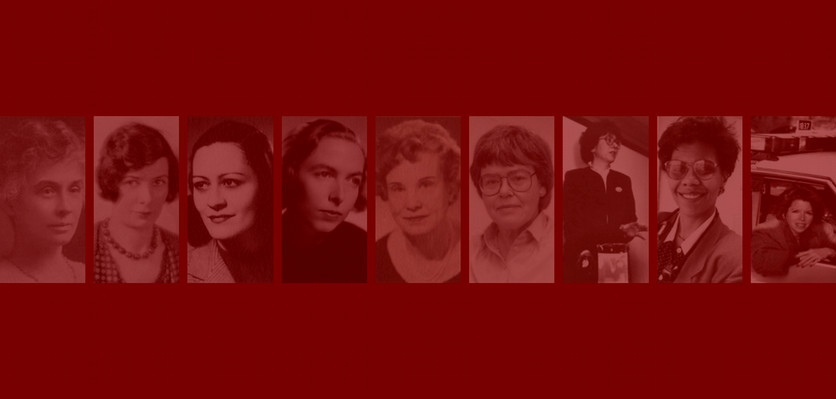
25, 50, 75 and 100 years ago
Dates: Nov. 2 2021 to March 20, 2023
Contact: ghsl-special
Snapshots of Women Faculty was created to celebrate more than 100 years of women's contributions to research and education at Northwestern University Medical School (NUMS), now known as Northwestern University Feinberg School of Medicine. This exhibit provides a momentary glimpse into the lives and work of women faculty from 25, 50, 75 and 100 years ago.
This exhibit was designed to accompany Rise, Serve, Lead! America’s Women Physicians, which was to appear at Galter in 2021. Because of COVID-19 restrictions, Rise, Serve, Lead! was not loaned for exhibition.
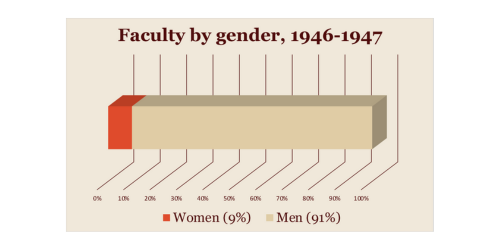
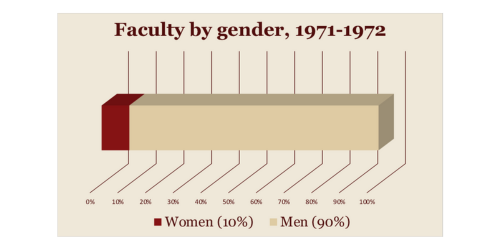
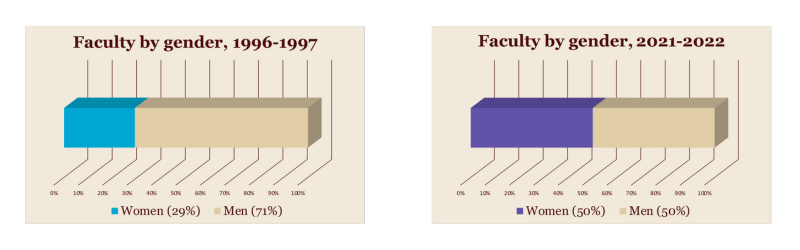
Though they have always been caregivers and healers, women have long endured prejudice, obstacles and limited opportunities when formally pursuing work in the health sciences. Specifically in academic medicine, women were often pigeon-holed into certain specialties with which they were deemed compatible, or they chose fields that men had effectively overlooked, such as the care of women, children and mental illness. Women were often kept at lower ranks than their male peers, serving as instructors and assistants, or never making the rank of a full professor. Augusta Webster, MD 1932, one of the first women to earn an MD from NUMS, was also the first woman to be promoted to a full professorship here in 1960, when the medical school turned 101 years old.
Through this exhibit, we hope to recognize and celebrate the careers of women over a span of decades at FSM, while also showing the disparity and hardships that were present for them. Snapshots of Women Faculty celebrates women who succeeded in a field long considered inappropriate for or incompatible with women. Whether they knew it or not, these women were breaking ground and making the pathway to practice medicine and research more accessible.
1921: 100 Years Ago
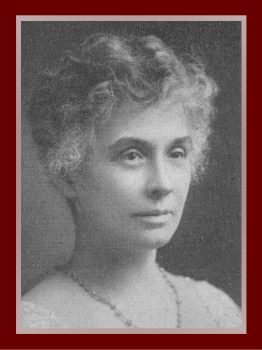 Anna R. Lapham, MA, MD (1869–1953)
- Position in 1921: Demonstrator, Operative Obstetrics
- Years at NU: 1919-1953
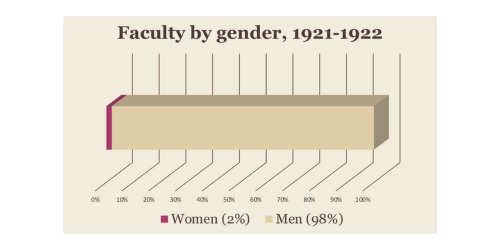
Anna Lapham was the first woman faculty member at Northwestern University Medical School. She became an assistant professor in 1926, when the Medical School began admitting women (she served as the unofficial Dean of Women during this time, too). Lapham was an attending obstetrician at Chicago Lying-In Hospital, a maternity hospital that provided high-quality care to women of all races and classes. She obtained emerita status in 1946.
 Reba C. Haner, MS (1896–1982)
- Position in 1921: Assistant, Bacteriology
- Years at NU: 1920-1925
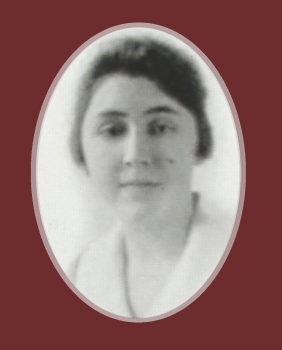
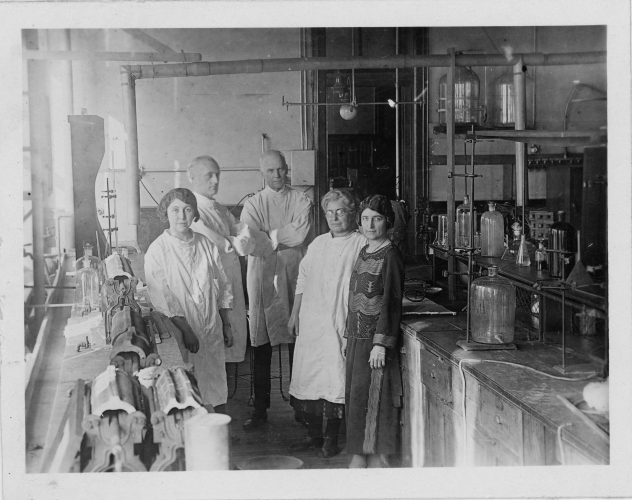
Reba Haner earned her MS in 1920 from the University of Wisconsin and immediately began a research fellowship in Bacteriology at Northwestern. She co-authored seven papers with Arthur Kendall, the chair of the department and dean of the medical school. In 1925, Haner left Northwestern and married Albert W. Hall (MD Class of 1925), who became one of the founding members of the MacNeal Hospital. She lived in Berwyn with her husband and four children.
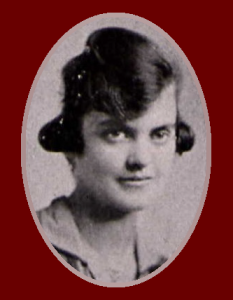 Melanie Schilling, MS (1898–1997)
- Position in 1921: Assistant, Clinical Pathology
- Years at NU: 1921-1934
Melanie Schilling began her career at Northwestern and Wesley Memorial Hospital immediately after graduating from the University of Illinois. Looking to further her education, Schilling earned an MS from the University of Minnesota in 1929. She was then appointed as an Instructor in Medicine at Northwestern. In 1934, Melanie moved to Minneapolis, MN, with her husband, Lincoln Katter, where they lived with their two children.
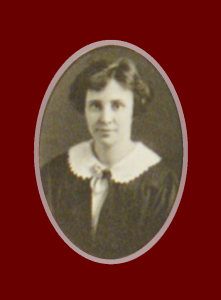 Margaret Wilson, PhD, MD (1894–1954)
- Position in 1921: Assistant, Anatomy
- Years at NU: 1919-1921
Margaret Wilson earned her PhD in neuroanatomy in 1922, becoming the first person awarded a PhD from any professional school at Northwestern. She and her husband, Ralph Gerard, continued their education together at Rush Medical College and were awarded MDs in 1926. Wilson became a leading child psychiatrist and psychoanalyst, well known for her work as a faculty member of the School of Social Service Administration at the University of Chicago and as the psychiatrist for the Illinois Children’s Home and Aid Society.
Margaret had a rare gift also to lead students imaginatively to consider the meaning of one person to another in a specific social context, the bigness of small things in the life of a child, the profound import in general of child to parent and parent to child, and, specifically now, their need of one another in a stress situation.
1946: 75 Years Ago
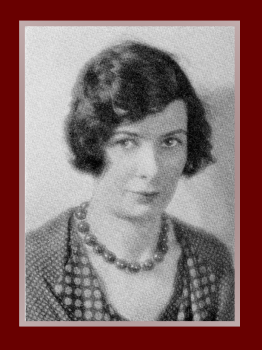 Beatrice E. Tucker, MD (1897–1984)
- Position in 1946: Associate Professor, Obstetrics & Gynecology
- Years at NU: 1933-1984
I was one of the nurses that worked there [Chicago Maternity Center]. I became familiar with the center as a student nurse and was employed there after graduating from nursing school. Dr. Tucker was a remarkable individual that truly believed in birth as a natural process, that involved the family as an integral part of the birthing experience. Birth was an incredible miracle not with the wailing, drugs and paternalism of the hospital experience that I saw in my OB experience. As a young nurse it was remarkable and as a young woman an eye opener to the beauty and miracle of birth. Thank you, Maternity Center and Dr. Beatrice Tucker."
I believe in home obstetrics. I think a woman has the right to choose where she wants to have her baby."
The national maternal death rate in the 1930s was 1 per 175. The [Chicago Maternity] center’s record at the time was less than 1 death per 1,200 births… The center’s insistence on absolute cleanliness surrounding the mother, coupled with the home setting, where the mother was not exposed to external sources of contagion, was part of the reason for the center’s success."
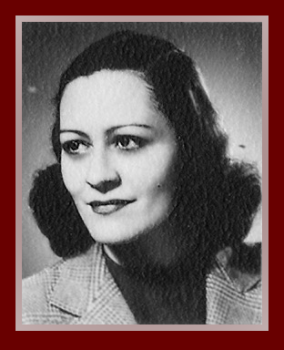 María Ramírez de Arellano, PhD, MD (1915–2017)
- Position in 1946: Fellow, Institute of Neurology
- Years at NU: 1938-1951 (as student & fellow)
María Isabel “Marisa” Ramírez de Arellano, born in Puerto Rico, earned four degrees from Northwestern: BS (‘42), MS (‘45), PhD (‘49) and MD (‘51), all while raising three children with her husband Max, also an MS and MD student at Northwestern. They returned to Puerto Rico in 1953, where they opened separate practices in neurology and neurosurgery. Ramírez de Arellano later established one of the first electroencephalography laboratories in Puerto Rico and won support from the National Institutes of Health.
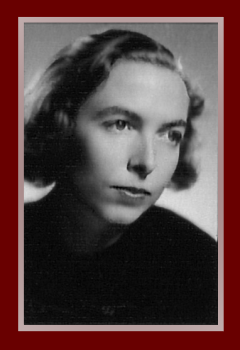 Edith B. Farnsworth, MD, MS (1903–1977)
- Position in 1946: Associate Professor, Medicine
- Years at NU: 1942-1969
Edith Farnsworth earned an MD from Northwestern in 1939, one of only four women in her class. During World War II, Farnsworth rose through the ranks of a traditionally male field to become an associate professor of medicine at Northwestern, specializing in nephrology. In 1948, she made national headlines for being the first to clinically use ACTH in the treatment of nephrotic syndrome. Farnsworth retired from medicine in 1969 and moved to Italy, where she published translations of Italian poetry.
Those dim hours spent beside the bed of poor [name redacted] opened for me a series of meditations, not only on hospital life and death, the obligations and the privileges of the attending and the house staffs, but on concepts of diseases, particularly the pathogenesis of nephritis...
...[Nephritis], first described around 1826 by Richard Bright and never subsequently challenged now appeared in a totally different light... The more I pondered, the more the “classical” theories seemed crude and naïve and the new possibilities seemed likely and worthy of exploration...
...I was interested in the diseases characterized by massive edema, namely, hepatic cirrhosis, cardiac decompensation and nephritis and wanted to use ACTH as a research tool, hoping thereby to throw light upon the mechanism of the water-retention in the three situations...
...My line of reasoning was simple: if the renal tubules were acting under excessive stimulation and thereby reabsorbing excessive quantities of sodium and chloride, they might well respond differently to bombardment by ACTH, on the principle that a tired horse, if whipped, will behave differently from the horse which is fresh and rearing to go....
...Before long we had consistent data from six or eight cases representing various phases of nephritis–enough for the preliminary report required by Dr. Mote for the first conference on ACTH, to be held in October of 1949."
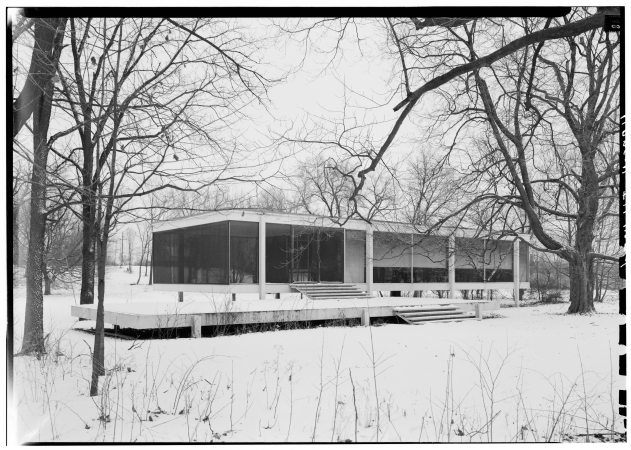
Designed by International Style leader Ludwig Mies van der Rohe and constructed from 1949-1951, the Farnsworth House represents the apex of Mies van der Rohe’s American career. Built as a country house for Edith Farnsworth, a single woman sympathetic to his aesthetic aims, the house comes as close as Mies van der Rohe ever came to achieving his vision of “beinahe nichts” or “almost nothing,” the reduction of every element to its essence."
In the summer, the glass box—essentially a greenhouse—suffered from insufficient ventilation, fully steamed-up windows, and a lack of air-conditioning. “You feel as though you are in a car in the rain with a windshield wiper that doesn’t work,” Farnsworth told Newsweek."
1971: 50 Years Ago
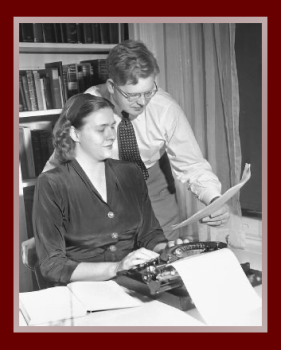 Niles R. Newton, PhD (1923–1993)
- Position in 1971: Associate Professor, Psychiatry
- Years at NU: 1966-1993
Niles Newton was a psychologist specializing in childbirth, maternal health and breastfeeding in particular. Newton and her obstetrician spouse, Michael Newton, MD, collaborated in much of her early lactation research, which provided the scientific basis for the midcentury back-to-breast movement. Newton was a prolific author, penning books, scholarly articles and “Your Family, Your Child,” a weekly column for the Chicago Tribune, in addition to foundational work for birth and lactation-related journals and societies.
Alongside the names of famous men like Grantly Dick-Read and Benjamin Spock appears the name of Niles Newton. La Leche League selected Newton’s (1957) The Family Book of Child Care as their go-to parenting manual, preferring it even to Dr. Spock’s (1946) bestselling guide, The Common Sense Book of Baby and Child Care. Their recommendation makes sense given that La Leche League was critical of Spock for his book’s emphasis on formula making and feeding. La Leche League instead praised Newton’s book specifically for its novel presumption that an infant would, of course, be breastfed (La Leche League International, 1963, pp. 141-146). The assumption that breastfeeding was the obvious way to feed an infant, however, was exceedingly rare in the 1940s and remained so through the next 2 decades. So who was this Niles R. Newton, and how is it that, whereas names like Spock and even Read remain very well known in the history of maternity and childcare, few people (historian or otherwise) react with any recognition to her name?
We must find more ways to help women feel good about mothering, wifing and comfortably using their unique female biological functions. True female self-esteem comes not from being just like men but enjoying the differences.
Under Mead’s influence, Newton…began to articulate a perspective of the maternal body as a living and material source of truth, one that existed, in some small way, beyond the reach of the patriarchal social and cultural systems in which women lived. In making this shift, Newton began building a philosophical orientation that not only would underpin the entire back-to-the-breast movement, but it would eventually be recognizable in the radical politics of the women’s health movement, where women would learn to seek power and political identity through embracing their embodiment as women.
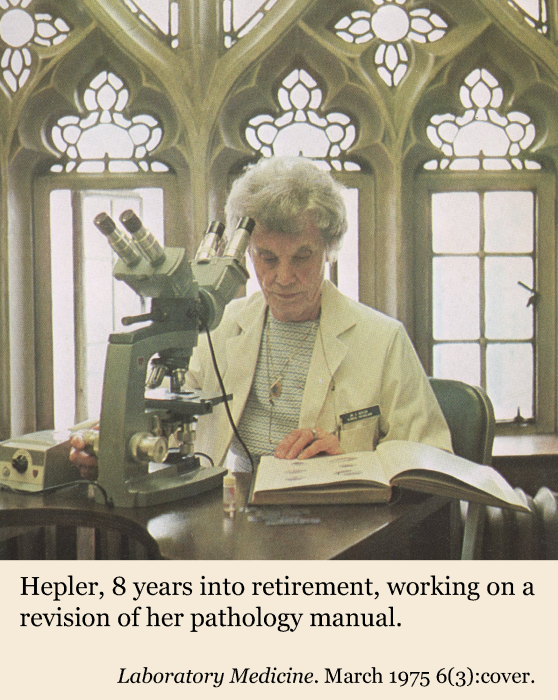
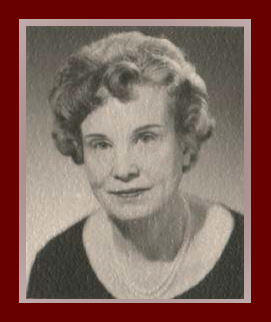 Opal E. Hepler, PhD, MD (1899–1993)
- Position in 1971: Professor Emerita, Pathology
- Years at NU: 1929-1993
Opal Hepler spent her entire education and career at Northwestern, rising from student to lab technologist to professor of pathology, director of multiple clinical laboratories and director of Northwestern’s Medical Technology program. Her book, Manual of Clinical Laboratory Methods, laid out simple directions for the lab work required of medical students and technologists. It filled a gap in the literature and was the standard across the world for decades. In 1991, Northwestern dedicated a lab in honor of her 50 years of contributions to pathology.
Most laboratory workers were women. A few men did go into histological technique, but now more men are entering the medical technology profession. Pathologists did their own lab work or trained their own technicians.
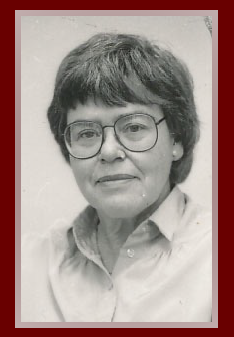 Ruth K. Freinkel, MD (1926–2014)
- Position in 1971: Associate Professor, Dermatology
- Years at NU: 1966-1995
Ruth Freinkel joined the Department of Dermatology in 1966 as its first full-time faculty member. She was a clinician, instructor and bench scientist, most well known for her work on acne and the biology of the skin. Throughout her career, Freinkel was often one of the first dermatologists to be elected to various councils and professional societies, not to mention frequently the first or only woman to be involved with those organizations. In 2010, Northwestern honored her lifetime achievements by endowing a professorship in her name.
You were a pioneer. Were you often the only woman?
Mostly in everything I did I was the only woman. Those were different times. There weren’t many women [in medicine] and women didn’t do research. If they went into medicine at all, they were nurses or maybe some kind of doctors, but they didn’t do research.
Did you recognize that you were a trailblazer in research?
You know, when you’re blazing trails you don’t really know it; you know you just move ahead and try not to step into the manure.
1996: 25 Years Ago
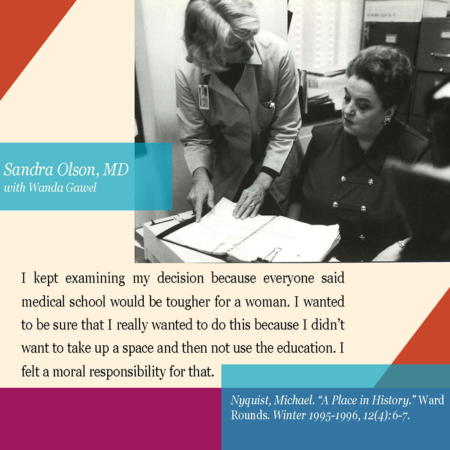 Sandra F. Olson, MD
- Position in 1996: Associate Professor, Clinical Neurology
- Years at NU: 1969-present
Sandra Olson (’63 MD) became an attending physician at NMH and an instructor in neurology at the medical school in 1969. She served as the first female chief of staff at NMH in 1982. Olson was also the first woman president of several organizations, including the Illinois State Medical Society, the Chicago Medical Society, and the Chicago Neurological Society. Olson is a professor emerita in the Ken and Ruth Davee Department of Neurology.
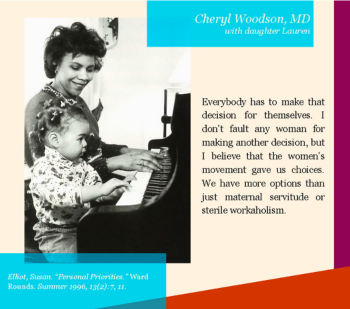 Cheryl E. Woodson, MD
- Position in 1996: Assistant Professor, Medicine
- Years at NU: 1991-1996
Cheryl Woodson began her career as the director of the Geriatrics Fellowship Program at the University of Chicago and Oak Forest Hospital. In 1991, she started at Northwestern University Medical School as an Assistant Professor in Medicine and served as the director of clinical education for the Buehler Center on Aging and the Division on Geriatric Medicine. After leaving Northwestern, she took on various roles in the geriatric medical field, becoming an award-winning author and guiding patients as an expert in professional eldercare.
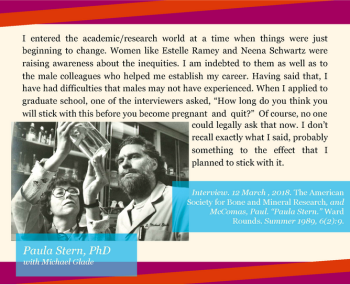 Paula H. Stern, PhD
- Position in 1996: Professor, Pharmacology
- Years at NU: 1966-present
Paula Stern started at Northwestern in 1966 as an assistant professor in pharmacology and earned the status of full professor in 1977. Throughout her career, Stern published over 200 papers and served as vice president of the National Osteoporosis Foundation and as president of the American Society of Bone and Mineral Research. Stern obtained emerita status in 2017 and was honored with an annual award established in her name that recognizes a woman faculty member for excellence in research and teaching at Feinberg.
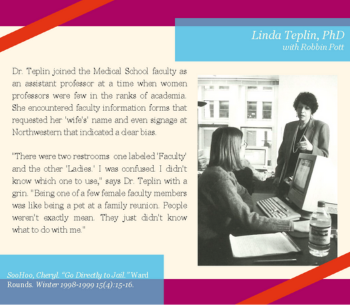 Linda A. Teplin, PhD
- Position in 1996: Professor, Psychiatry & Behavioral Sciences
- Years at NU: 1976-present
Linda Teplin (‘75 PhD) began as a faculty member at the medical school in 1976 and reached full professor status in 1991. Throughout her 45-year career, Teplin has undertaken impactful research on vulnerable and understudied populations. She is the Owen L. Coon Professor of Psychiatry and Behavioral Sciences & Medicine, the director of Health Disparities and Public Policy, and the Vice Chair of Research for the Department of Psychiatry and Behavioral Sciences.
Credits
Curated by Katie Lattal, MA, Special Collections Librarian; Ramune Kubilius, MALS, AHIP, Collection Development / Special Projects Librarian; Annette Mendoza, MLIS, former Research Impact Librarian; Corinne Miller, MLIS, Clinical Informationist; Annie Wescott, MLIS, Research Librarian; and Emma Wilson, Library Assistant.
Designed by Katie Lattal.
Bibliography
Archival Sources
- Arthur Kendall presentation album. 2016.15.0020. Galter Health Sciences Library Special Collections, Chicago, IL.
- Edith Farnsworth Papers, 1900-1977. The Newberry Library, Chicago. https://archive.org/details/mms_farnsworth/page/n17/mode/thumb.
- “Medical technologist.” Publicity Photographs: Prints, Negatives, Contact sheets, 1978-1990. 2018.17.110. Galter Health Sciences Library Special Collections, Chicago, IL.
- Schwartz, Leslie, photographer. “General view from the southwest, showing south elevation - Edith Farnsworth House, 14520 River Road, Plano, Kendall County, IL.” Photograph. Historic American Buildings Survey IL-1105. Library of Congress Prints and Photographs Division Washington, D.C. https://www.loc.gov/item/il0323/ .
Published Sources
- "Anna Lapham Dies; 1st Woman Doctor at N.U." Chicago Daily Tribune, April 1, 1953.
- Arey, Leslie. Northwestern University Medical School 1859- 1979: A Pioneer in Educational Reform. 2nd, revised and extended ed. Chicago: Northwestern University, 1979.
- Chicago Maternity Center. "Annual Report," 15 (1947): facing p. 1.
- Chicago Medical Society. History of Medicine and Surgery and Physicians and Surgeons of Chicago. Chicago: The Biographical Publishing Corporation, 1922.
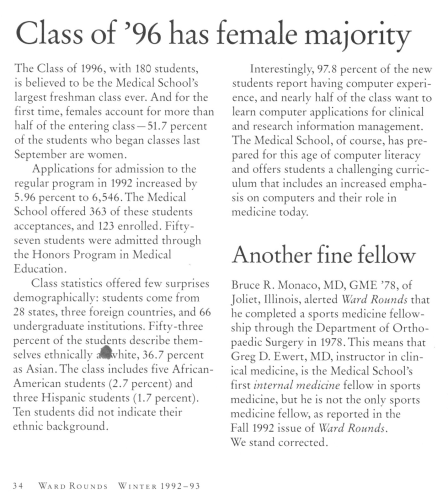
- "Class of ’96 Has Female Majority." Ward Rounds 9, no. 4 (Winter 1992-1993): 34.
- "Dr Beatrice Tucker: Home Birth for Chicago's Working Class." 2012, https://www.cwluherstory.org/text-memoirs-articles/dr-beatrice-tucker .
- De Lee, Joseph B. The Technic of the Chicago Lying-in Hospital and Dispensary. Chicago: Chicago Lying-in Hospital and Dispensary, 1921.
- Elliot, Susan. "Personal Priorities." Ward Rounds 13, no. 2 (Summer 1996): 4-11.
- "Ex-Owner of Mies-Created Farnsworth House Dies." [Obituary.] Chicago Tribune, December 14, 1977.
- Farnsworth, Edith B. "Poems of Edith Farnsworth." Northwestern University Medical School Magazine 7, no. 1 (Winter 1969): 18.
- "Freinkel, Ruth Kimmelstiel." In American Men & Women of Science: A Biographical Directory of Today's Leaders in Physical, Biological, and Related Sciences. Edited by Andrea Kovacs Henderson. Detroit: Gale, 2009.
- Gerard, Margaret Wilson. The Emotionally Disturbed Child: Papers on Diagnosis, Treatment and Care. New York: Child Welfare League of America, Inc., 1956.
- Golden, Madelon. "Mother Wins Her M.D. Degree." Chicago Sun-Times, June 11 1950.
- Guggenheim, Joseph. "1895-1973 | the Chicago Maternity Center: An Important Chapter in Obstetrics." Northwestern Medicine Magazine (Spring 2021): 41. https://magazine.nm.org/2021/05/22/1895-1973-the-chicago-maternity-center-an-important-chapter-in-obstetrics/ .
- Heise, Kenan. "Hospital Founder A.W. Hall." Obituary, Chicago Tribune, April 19 1991.
- ———. "Niles Polk Newton, 70, Pioneering Birth Expert." Obituary, Chicago Tribune, October 6 1993.
- Hepler, Opal E. Manual of Clinical Laboratory Methods. 4th ed. Springfield, Ill: C. C. Thomas, 1949.
- "Hepler." [Death Notice.] Chicago Tribune, June 13, 1993.
- [Interview with Beatrice Tucker.] Chicago Daily News, March 15 1973. Quoted in Schultz & Hast (see below).
- Kahn, Ada P. "A Laboratory Medicine Profile: Dr. Opal Hepler—Pathologist, Author, Teacher." Laboratory Medicine 6, no. 3 (March 1975): 8-11.
- Lawrence, Ruth. "Niles Newton: A Tribute." Birth 21, no. 1 (March 1994).
- Lieberman, K. V., and A. Pavlova-Wolf. "Adrenocorticotropic Hormone Therapy for the Treatment of Idiopathic Nephrotic Syndrome in Children and Young Adults: A Systematic Review of Early Clinical Studies with Contemporary Relevance." [In eng]. J Nephrol 30, no. 1 (Feb 2017): 35-44. https://doi.org/10.1007/s40620-016-0308-3 .
- "Margaret Gerard, Child Psychiatrist, Author, Dies at 59." [Obituary.] Chicago Daily Tribune, January 13, 1954.
- Martucci, Jessica. "The Life and Legacy of Niles Polk Rumely Newton: Breastfeeding Researcher, Advocate, and Mother, 1923-1993." Journal of Human Lactation 34, no. 3 (2018): 507-14. https://doi.org/10.1177/0890334418776644 .
- "Melanie Anne Schilling Katter." Find a Grave. https://www.findagrave.com/memorial/113909329/melanie-anne-katter .
- McComas, Paul. "Paula Stern." Ward Rounds 6, no. 2 (Summer 1989): 4-12.
- Newton, Niles. The Family Book of Child Care. [1st ] ed. New York: Harper, 1957.
- ———. Newton on Birth and Women: Selected Works of Niles Newton, Both Classic and Current. Seattle, WA: Birth & Life Bookstore, 1990.
- Northwestern University Medical School. "Medical School Announcements." Northwestern University Bulletin.
- Nyquist, Michael. "Hitting the Streets for Public Health Research." Ward Rounds 8, no. 1 (Spring 1991): 28-29.
- ———. "A Place in History." Ward Rounds 12, no. 4 (Winter 1995-1996): 4-11.
- "Obituary of Ruth Freinkel." Accessed February 1, 2016, https://musgroves.com/tribute/details/187173/Ruth-Freinkel/obituary.html#content-start .
- Paller, A. S., and E. A. Bauer. "Ruth Kimmelstiel Freinkel (1926-2014)." [In eng]. J Invest Dermatol 134, no. 11 (Nov 2014): 2669-70. https://doi.org/10.1038/jid.2014.386 .
- Paula Stern, Ph.D. 2018. ASBMR e-News Weekly.
- Perry, Grace. "Remembering the Farnsworth House Feud." Chicago. (March 16 2020). https://www.chicagomag.com/chicago-magazine/april-2020/five-things-about-farnsworth-house/.
- Ramírez de Arellano, A. B. "A “Class a” Institution: The Struggle for the University of Puerto Rice School of Medicine." Puerto Rico Health Sciences Journal 8, no. 2 (August 1989): 265-70.
- Schultz, Rima Lunin, and Adele Hast, eds. Women Building Chicago 1790-1990: A Biographical Dictionary. Bloomington, IN: Indiana University Press, 2001.
- SooHoo, Cheryl. "Go Directly to Jail." Ward Rounds 15, no. 4 (Winter 1998-1999): 12-19.
- "Then: Trailblazing Doctor." 2015. Northwestern Magazine. https://www.northwestern.edu/magazine/fall2015/campuslife/trailblazing-doctor.html .
- Towle, Charlotte. "In Memoriam: Margaret Wilson Gerard, M.D. 1894-1954." Social Service Review 28, no. 2 (1954): 216-17. http://www.jstor.org/stable/30019305 .
- Tucker, B. "Recollections. An Interview with Dr. Beatrice Tucker. Interview by Diane Redleaf and Pat Kelleher." [In eng]. Health Med 1, no. 4 (Winter-Spring 1983): 26-9.
- Tucker, Beatrice E., and Harry B. Benaron. "Maternal Mortality of the Chicago Maternity Center." [In eng]. Am J Public Health Nations Health 27, no. 1 (Jan 1937): 33-36. https://doi.org/10.2105/ajph.27.1.33 .
- University of Illinois. The Illio 26 (1920).
- University of Minnesota. Fifty-Seventh Annual Commencement (1929).
- University of Wisconsin. The Badger. Edited by Harry H. Scott. 33, Madison, WI: University of Wisconsin, 1918. https://digital.library.wisc.edu/1711.dl/QNQCB4XTLXFKD8R .
- Wartman, W. B. "The Department of Pathology of Northwestern University Medical School." Q Bull Northwest Univ Med Sch 25, no. 2 (1951): 127-35.
- Wellesley College. The Wellesley Legenda (1917).
- Women's Graphics Collective, and Chicago Women’s Liberation Union. "Have Your Baby Safely at Home." [poster]. Chicago, 1972. https://www.cwluherstory.org/poster-gallery .